Marine Food Waste Composter for Ships, Offshore Vessels and Sea Transportation

Managing food waste on a vessel or offshore platform is a regulatory, hygiene and operational challenge. MARPOL Annex V restricts overboard discharge of food waste, while cold storage space on ships and platforms is limited and waste accumulates quickly in galley operations. The Smart Bin marine food waste composter provides a compact, odor-controlled and fully automatic on-site composting solution designed for marine and offshore environments, including explosion-proof motor options for zone-classified hazardous areas.

Compact Footprint

Odor and Hygiene Issues

Offshore Applications

Marine & Offshore Challenges the Smart Bin Solves

Food waste handling at sea is different from land-based waste management. Vessel operators need a solution that helps reduce storage pressure, odor, hygiene concerns and disposal dependency without taking too much space.

Galley Waste Build-Up

Food waste from vessel kitchens, crew meals and offshore canteens can accumulate quickly during daily operations.

Limited Cold Storage

Ships and offshore platforms often have limited storage space, making daily organic waste handling more difficult.

Odor & Hygiene Concerns

Stored organic waste can create odor and hygiene issues, especially in confined vessel or platform areas.

Disposal Dependency

Marine operations often depend on port disposal, scheduled collection or external waste handling routes.

Compact Food Waste Processing for Vessels & Offshore Sites

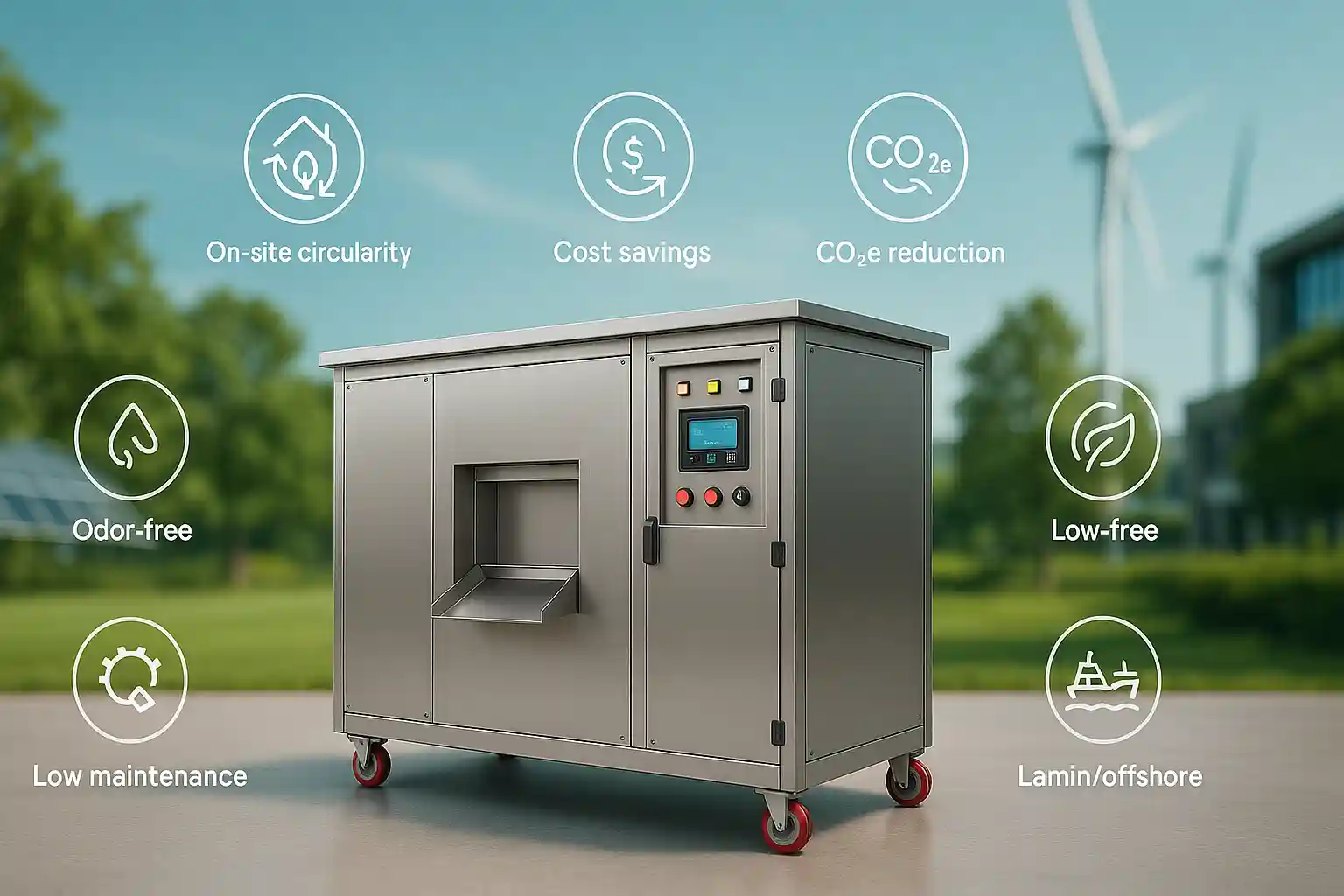
Smart Bin is a fully automatic, plug-and-play organic waste-to-compost machine designed for on-site food waste and organic waste processing. For marine and offshore operations, it helps reduce storage pressure, disposal dependency and hygiene concerns by treating suitable organic waste closer to the source.

smart-bin-food-composter-product-benefits-dms-ventures

Suitable for Marine, Offshore and Sea Transportation Operations

The Smart Bin marine food waste composter can support different marine and offshore environments where organic waste needs to be handled close to the source.

Marine Vessels

Processes daily galley and kitchen waste directly on board.

Offshore Vessels

Supports food waste treatment for crew and support vessel operations.

Offshore Platforms

Supports cleaner organic waste handling in offshore operating areas.

Cargo Ships

Helps reduce stored food waste during long sea routes.

Sea Transportation Companies

Helps operators manage organic waste across marine fleets.

Marine Support Vessels

Useful for daily galley waste generated during offshore support work.

Galley Waste Areas

Designed for food waste generated from vessel kitchen operations.

Oil & Gas Offshore Operations

Supports waste handling needs in offshore energy environments.

Remote Offshore Sites

Helps reduce dependency on external organic waste disposal routes.

Port-Linked Operations

Can support waste reduction before port-side disposal or offloading.

Smart Bin and MARPOL Annex V — Reducing Overboard Discharge Dependency

MARPOL Annex V restricts the overboard discharge of food waste within certain maritime zones. For vessels and offshore operations, this creates a need to manage galley waste safely, hygienically and with less dependency on storage or port-side disposal.

Smart Bin supports marine operators by processing suitable organic waste on-site, helping reduce the volume of food waste that may require overboard discharge, cold storage or port offload. Final compliance depends on vessel route, waste type and applicable maritime rules, and DMS can provide technical documentation on request.

Reduced Overboard Discharge Dependency

Cleaner Galley Waste Handling

Technical Documentation Available

Marine Smart Bin Technical Features

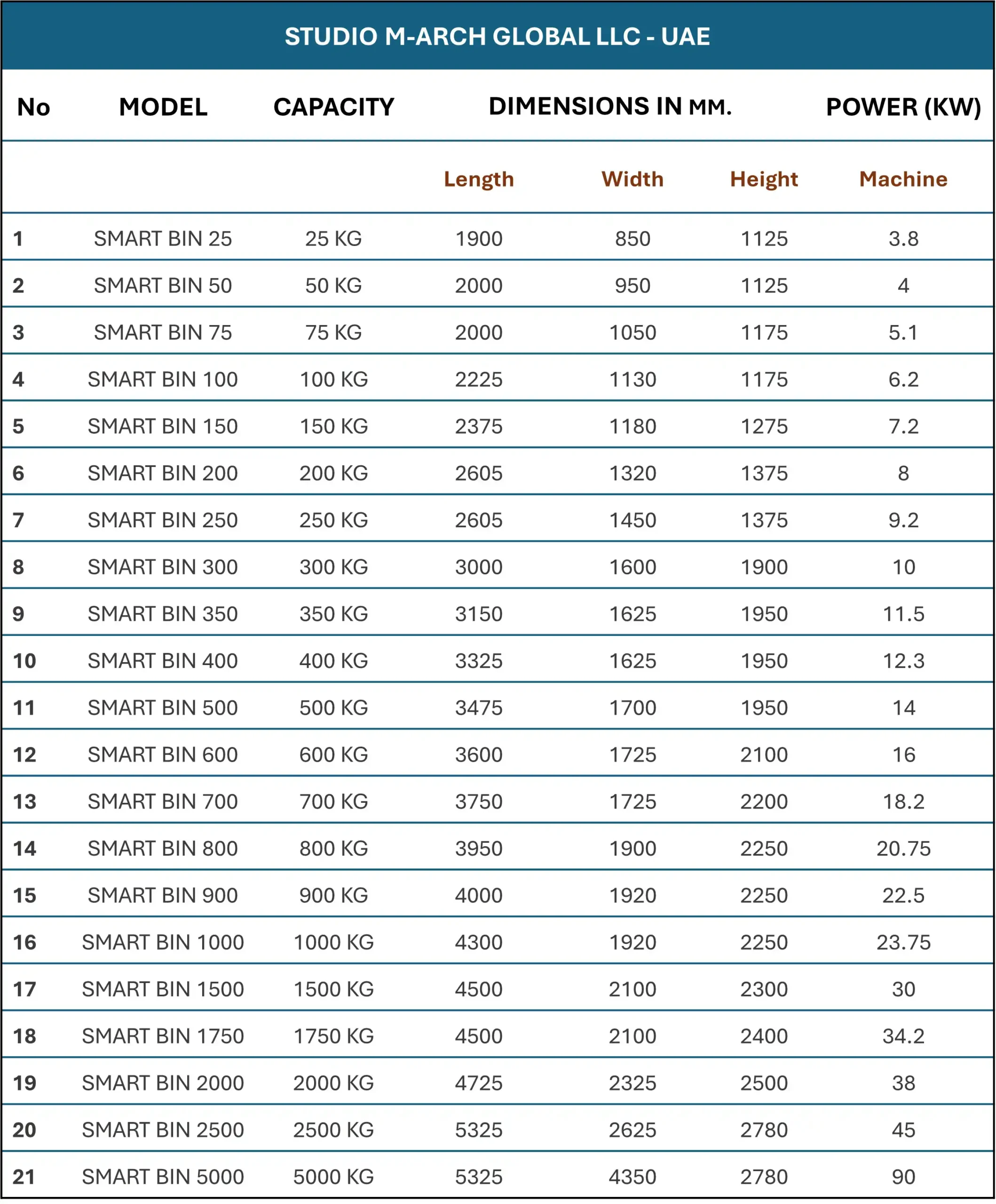
Smart Bin marine/offshore models can be planned according to vessel type, available space, waste volume and project-specific technical requirements.

1.

Customized Marine / Offshore Models

Smart Bin solutions can be planned according to vessel, platform or site requirements.

2.

Compact Footprint

Useful for vessel installations and offshore areas where available space is limited.

3.

Odor-Controlled Operation

Supports cleaner and more hygienic handling of organic waste in galley and service areas.

4.

Fully Automatic Processing

Reduces manual handling and supports daily processing of suitable organic food waste.

5.

Marine-Grade Options

Marine-grade components and stainless steel construction options can be discussed where required.

6.

Explosion-Proof Motor Option

Explosion-proof motor options can be considered for zone-classified areas, subject to project requirements.

Marine Smart Bin Technical Options

Technical details can be reviewed according to vessel type, offshore site requirements, available space and daily food waste volume.

Marine & Offshore Project References

DMS Smart Bin solutions have supported marine, offshore and energy-sector organic waste management requirements across UAE and Middle East operations. Approved project details and technical references can be shared during proposal discussion.

Marine/offshore waste management reference for vessel-based organic waste handling. Project details available on request.

Rawabi Vallianz marine offshore Smart Bin reference

Offshore marine operation reference for Smart Bin organic waste treatment. Technical details available during project discussion.

Jana Marine offshore vessel food waste reference

Marine support vessel reference for food waste and galley waste handling. Further details can be shared on request.

How Smart Bin Supports Marine Food Waste Management

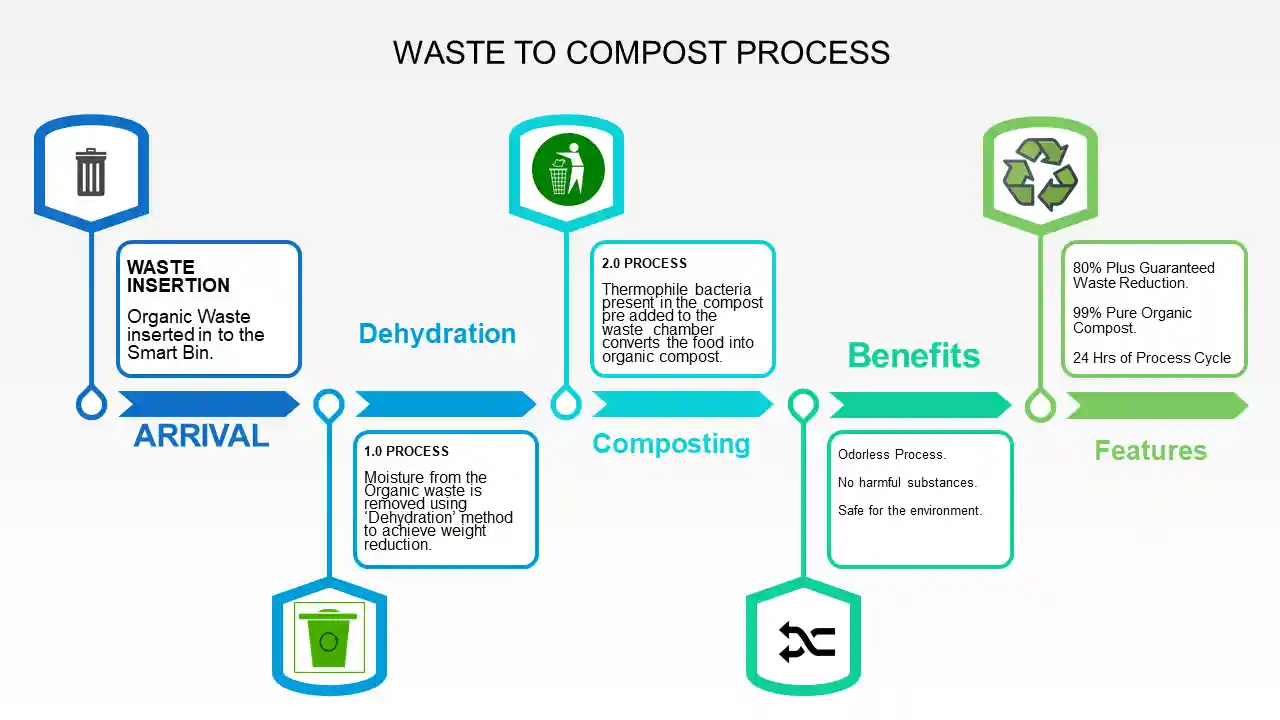
Smart Bin composting process showing 24-hour odor-free food waste cycle
  1. Waste Collection – Organic waste collected at source (kitchen, vessel, offshore site).
  2. Feeding – Waste loaded into Smart Bin.
  3. Shredding & Mixing – Inbuilt blades cut and mix the waste.
  4. Composting Cycle – Microbial & thermal process converts waste in 24 hours.
  5. Odor Control – Diversion of bad odor through exhaust to closed drainage ensures a clean process.
  6. Eco-Friendly Compost Output – Safe, usable compost/fertilizer ready for landscaping, agriculture, and reuse.

Benefits for Marine and Offshore Operators

For vessel owners, offshore operators and marine support teams, Smart Bin helps reduce organic waste storage pressure, improve hygiene, lower disposal dependency and support sustainability goals.

1. Reduced Waste Storage Pressure

Processing food waste on-site helps reduce organic waste storage needs.

2. Cleaner Galley Waste Handling

Odor-controlled processing supports cleaner galley and waste areas.

3. Lower Port Disposal Dependency

Reduced organic waste volume can simplify port disposal planning.

4. Space-Conscious Operation

Compact options support vessels and offshore sites with limited space.

5. Sustainability & ESG Support

On-site treatment supports waste diversion and sustainability goals.

6. Useful Compost Output

Compost output can be managed based on site and waste conditions.

Need a Food Waste Solution for a Vessel or Offshore Site?

Share your vessel type, daily food waste volume and technical requirements. DMS can recommend a suitable Smart Bin option for marine and offshore food waste handling.

Ready to discuss your marine waste requirement

FAQs — Marine & Offshore Use

Q1. Is the Smart Bin suitable for marine vessels?

Yes. Smart Bin marine-grade options can be discussed for ships, offshore platforms and sea transportation operations. Technical documentation is available on request.

Q2. How does Smart Bin help with marine food waste handling?

It processes suitable food waste on-site, helping reduce storage pressure, odor issues and disposal dependency.

Q3. Can it support MARPOL Annex V requirements?

Smart Bin can help reduce dependency on overboard food waste discharge by processing suitable organic waste on-site. Final compliance depends on vessel operation, location and applicable rules.

Q4. What capacity is available for marine/offshore use?

Standard marine/offshore options cover 50–500 kg/day. Final sizing depends on vessel type, crew size, daily galley waste volume, available space and site requirements.

Q5. Can it be used in hazardous or zone-classified areas?

Explosion-proof motor options may be discussed for zone-classified areas, subject to technical and project requirements.

Q6. What happens to the compost output on a vessel?

The compost output is significantly reduced compared to raw waste and can be handled according to port/site requirements and local regulations.

Request a Marine & Offshore Smart Bin Recommendation

Tell us your vessel type, offshore site type, daily food waste volume and technical requirements. DMS Dubai can help recommend the suitable Smart Bin option and share the marine technical datasheet.

Contact details

Email: info@dmsdubai.com
Phone / WhatsApp: +971 55 960 9061